Real estate development videos: sell the project before it’s built
Construction & Development·9 min read
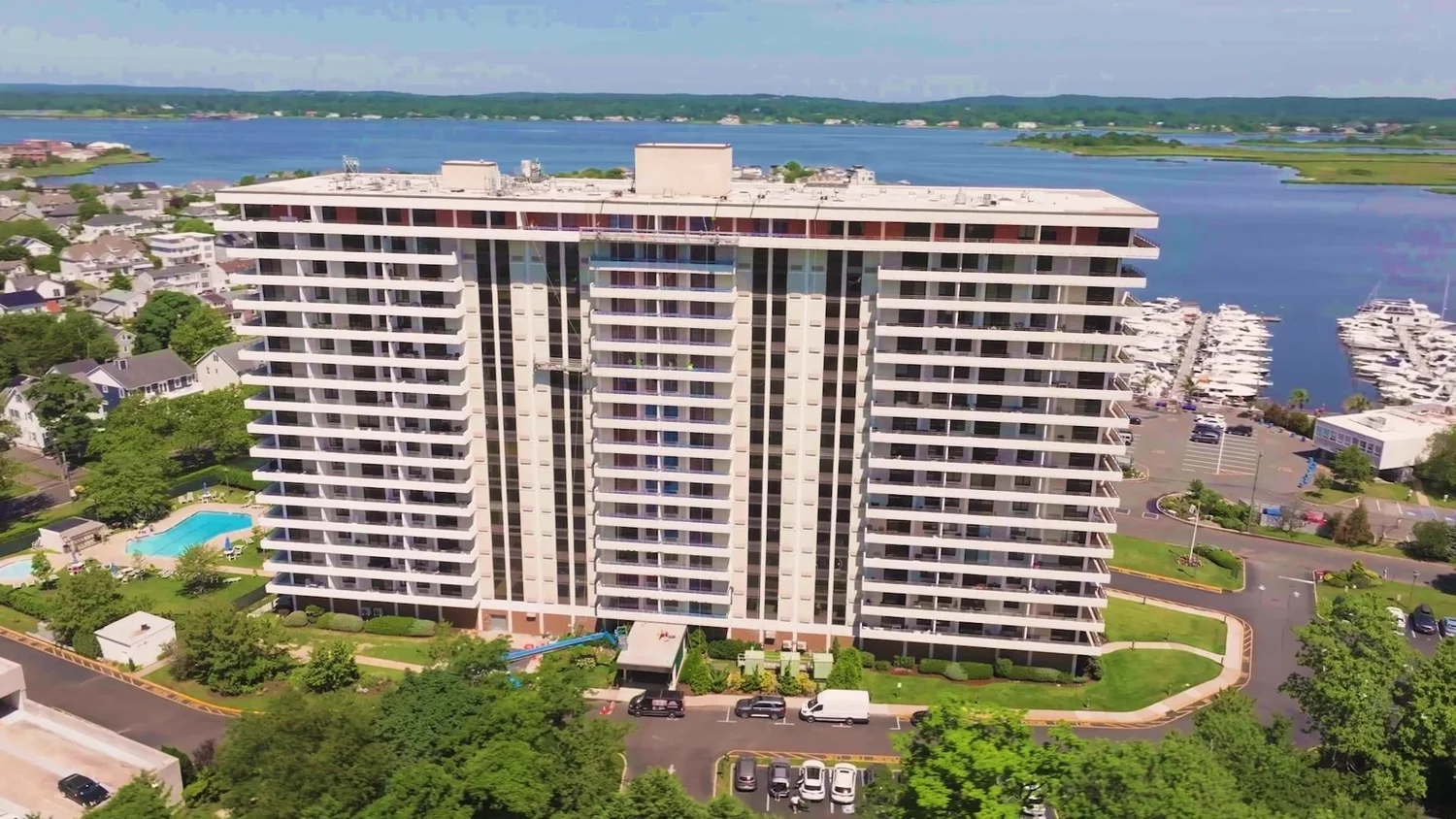
Every development has to sell itself four times before the ribbon-cutting: to the money, the town, the future tenants and the crew building it. One glossy film at the finish line can’t do all four jobs. A real estate development video plan can, as long as it runs on the project’s own timeline and starts before the first shovel.
Four audiences, four different jobs
Plenty of developers think about video once, at the end, when the lobby is staged and the drone footage looks like a car commercial. By then three of your four audiences have already made up their minds.
- Investors and lenders want proof the project is on schedule and the team can execute.
- The town (planning board, council, the neighbors at the community meeting) wants to know what’s changing and who’s responsible for it.
- Future tenants and buyers want to picture their business or their life in a building that doesn’t exist yet.
- The build team (your GC, subs and architect) wants its work seen, and your GC wants footage to win the next job and hire the next crew.
Different audiences ask different questions, so they need different cuts. The good news: every one of them can come out of the same shoot days if you plan it that way. That’s the whole idea behind our construction and development video work.
At acquisition: site context from the air
The first shoot happens before the first shovel. Once the site is cleared, graded and fenced, the before picture is gone for good, and so is frame one of your best before/after.
Site-context aerials show what a survey can’t: the highway ramp, the train, downtown, the water, the empty lot next door. A 2022 NAR Commercial Connections article says aerial images “offer much more insight into a property than ground views and maps” and calls drones “especially valuable when determining the feasibility of a new project” (NAR, 2022).
Aerials are standard kit in real estate marketing now. The only question is whether the footage of your project gets shot on purpose or grabbed later by whoever shows up with a drone. What to capture on the acquisition shoot:
- Wide orbits that place the site against its landmarks: highways, rail, downtown, water.
- Approach routes from the directions tenants, buyers and trucks will actually come.
- A top-down of the whole parcel from a saved GPS point, so every later shoot can match it.
- Ground footage of the street and the neighbors as they are today.
Every flight needs a pilot with a Part 107 remote pilot certificate (eCFR, 2026) and an airspace check for that exact address. I cover the rules in our guide to construction drone video in New Jersey. It’s a plain-English summary, not legal advice.
For the town: planning boards and community meetings
Renderings show a town what you want to build. Video can show who’s building it and how it fits the street. That matters most in a room full of neighbors who showed up skeptical. Two short pieces do the work:
- A context piece. Aerials of the site and its surroundings as they are now, with the renderings cut in. No swelling strings, no hype. Where it is, how traffic gets in and out, what’s next door.
- A story piece. Who’s behind the project and why here. Your team on camera, the architect walking the site, and the GC if they’ve built in town before. People trust a face faster than a site plan.
Keep both plain-spoken. Boards and neighbors can smell a sales pitch from the parking lot. Before you cut anything for a hearing, ask your land-use attorney how visuals should be presented.
For investors and lenders: progress they can see
The typical investor update is a PDF: a paragraph, a percent-complete number and a handful of phone photos. Nobody reads the paragraph.
A monthly progress cut fixes that, and a good investor video doesn’t need to be long. Keep it to Project Recap length, up to 90 seconds: the top-down from the same GPS point as last month, an orbit, the milestone that happened and a line or two from your project manager or the GC’s super. It answers “are we on schedule?” before anyone has to ask.
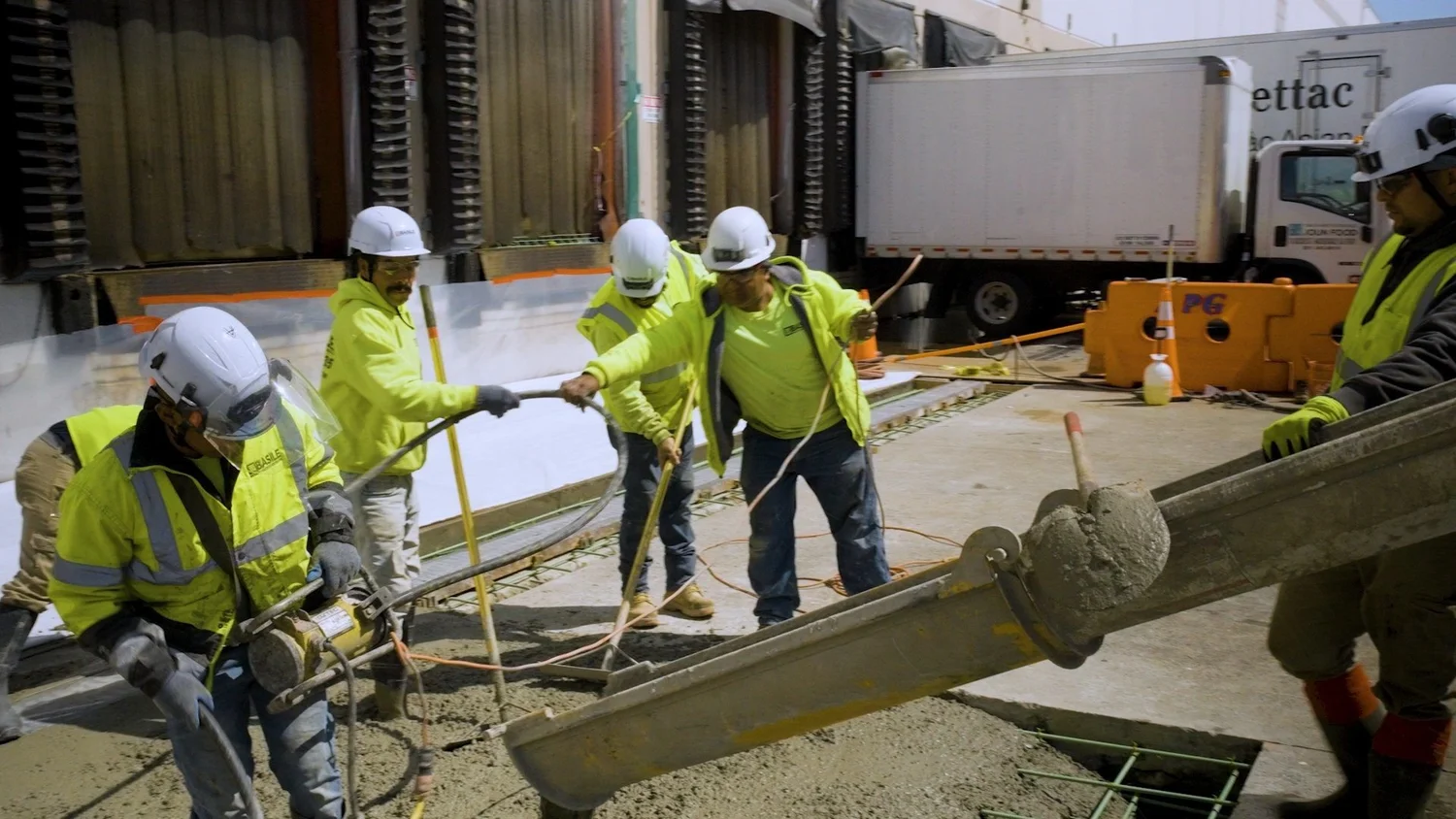
It also builds a record. Arcadis found that North American construction disputes in 2024 averaged 12.5 months, and its report stresses “clear and comprehensive documentation” (Arcadis, 2025). Video isn’t a contract document, and it won’t replace your daily reports. But dated footage from the same points every month is construction documentation for developers that nobody has to reconstruct from memory later. For the month-by-month shot list, see what to film from groundbreaking to ribbon-cutting.
For tenants and buyers: pre-leasing before the building exists
This is the hard one. You’re asking someone to commit to a space they can’t walk through. Renderings are a promise. Footage is proof. A good pre-leasing video packs in as much proof as the project can offer at that stage:
- The view. Fly to the height of a planned upper floor and film what a tenant will actually see, as long as that height fits under Part 107’s 400-foot limit (eCFR, 2026) and the site’s airspace. A real sunrise over the real neighborhood beats a rendered sky.
- The neighborhood. The coffee shop, the train, the beach, the park. People choose a location before they choose a unit.
- The people. Your team and your architect explaining actual decisions: why the lobby faces the street, why the amenity deck is on the roof. Specifics sell. Adjectives don’t.
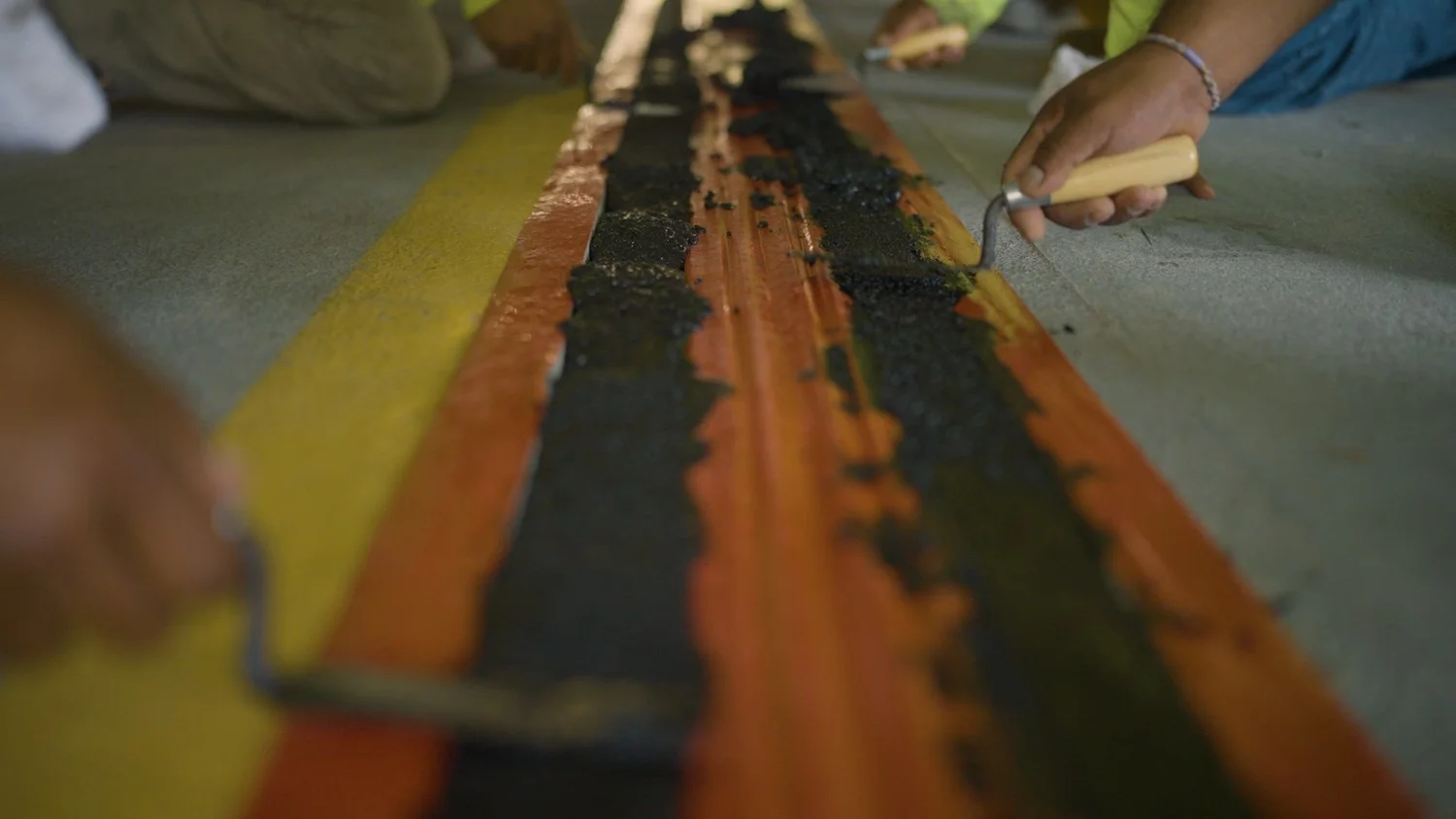
- The craft. Close-ups of the build as it happens: block going up, a pour, a joint being sealed. It shows the building is being made with care.
- The finish. Amenity and lifestyle footage as spaces come online, then a completion film.
Renderings are a promise. Footage is proof.
I’m not going to hand you a statistic about pre-leasing velocity, because I haven’t seen one I trust. The logic holds without it. A tenant signing for a building that doesn’t exist yet is betting on the developer. So show them the developer.
For the build team: one shoot, two clients
Your GC wants footage too. Its business runs on project recaps, bid videos and recruiting, and the labor market isn’t cutting anyone a break: in AGC’s 2026 workforce survey, 42% of respondents said shortages delayed projects (AGC, 2026). Your schedule lives inside that number.
So coordinate. If your GC is already filming, or already working with a crew like ours, plan shoot days that serve you both:
- The same drone positions feed your investor update and their project recap.
- One interview day covers your developer piece and their testimonial.
- Craft close-ups work in your pre-leasing cut and their recruitment shorts.
Settle up front who gets which cuts and who can post what. One conversation at kickoff saves an awkward email later.
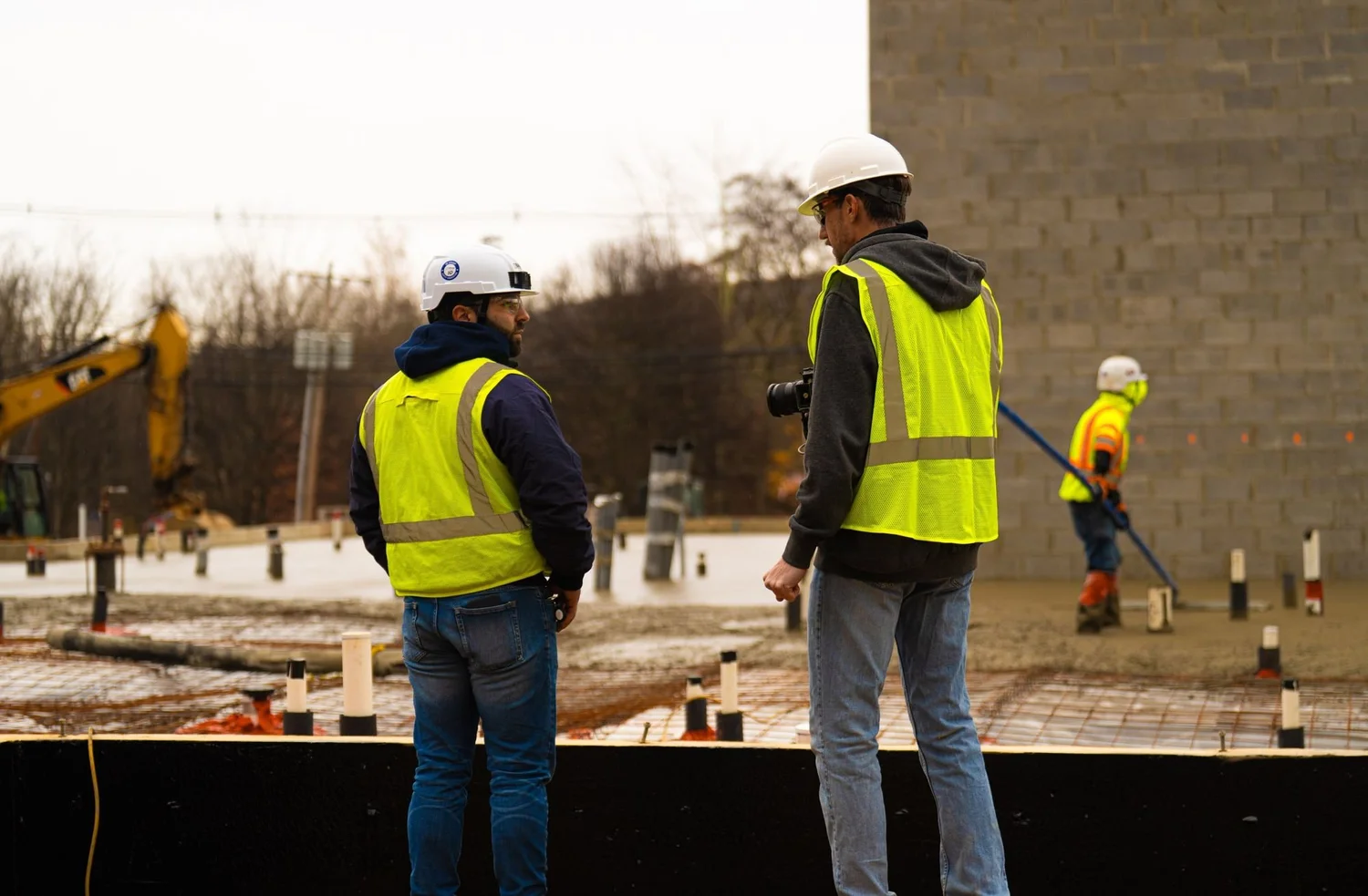
Then flip the camera around. A 45- to 90-second Testimonial from your GC or architect on why they took the job builds your reputation with the next partner, and your testimonial about them returns the favor. Your subs want proof too: for TG Basile, a masonry, concrete and restoration contractor, we made a Project Recap and a Project Highlight Reel. See the TG Basile films on our work page.
A real estate development video timeline
Here’s how I’d map a project, start to finish:
- Acquisition: site-context aerials and a saved GPS point for the top-down.
- Approvals: a context piece and a story piece for community meetings and the project website.
- Groundbreaking: the first progress shoot, plus the ceremony if there is one.
- Vertical construction: monthly progress cuts for investors, shot alongside the GC’s coverage.
- Envelope and topping out: facade passes and the view shots that feed pre-leasing and pre-sales.
- Fit-out: amenity and lifestyle footage as spaces come online.
- Completion: the completion film, reels and testimonials from the team.
For the finish line, a Brand Feature is built for exactly this: 2 to 3 minutes plus four 30-second reels for social, the leasing office and the investor deck. It doubles as the developer marketing video for your next project, because the best pitch for the next deal is the last one done right.
Sean’s attention to detail is contributing to the growth of our business.
Allen Meretsky, Revive HRG
Real estate development video FAQ
What is a real estate development video?
It’s video made to move a development forward with the people who decide its fate: investors and lenders, the town, future tenants or buyers, and the build team. In practice it’s a set of pieces shot across the timeline, from site-context aerials at acquisition to monthly progress cuts and a completion film. One plan, several audiences.
When should a developer start filming a project?
Before the site is cleared. Once the lot is graded and fenced, the before footage is gone, and so is the first frame of your before/after. Shoot site-context aerials at acquisition and save the drone positions so every later shoot can match them.
What should an investor update video include?
What changed since the last update, shown from the same drone positions, plus the milestone that happened and a short word from the project manager or the GC. Keep it to Project Recap length, up to 90 seconds, so it actually gets watched.
How do you market a building that isn’t built yet?
Sell what’s real: the location, the view from the height of a planned upper floor (within Part 107’s 400-foot limit and the site’s airspace; eCFR, 2026), the team and the craft going into the build. Cut renderings in as context, not as the main event. A tenant choosing an unbuilt building is betting on the developer, so show them the developer.
How much does a real estate development video cost?
It depends on scope: how many phases you want covered, how many shoot days and deliverables, and if it’s a one-off film or a monthly program. Tell us about the project and we’ll quote it.
Sources
- National Association of REALTORS, 2025 REALTORS Technology Survey, 2025
- NAR Commercial Connections, Drone tech gives lift to land projects, 2022
- eCFR, 14 CFR Part 107: Small Unmanned Aircraft Systems (accessed 2026)
- Arcadis, 15th Annual Construction Disputes Report, 2025
- AGC, 2026 Workforce Survey: construction workforce shortages remain acute, 2026