Filming at a private club: a member privacy and consent protocol
Private Clubs·9 min read
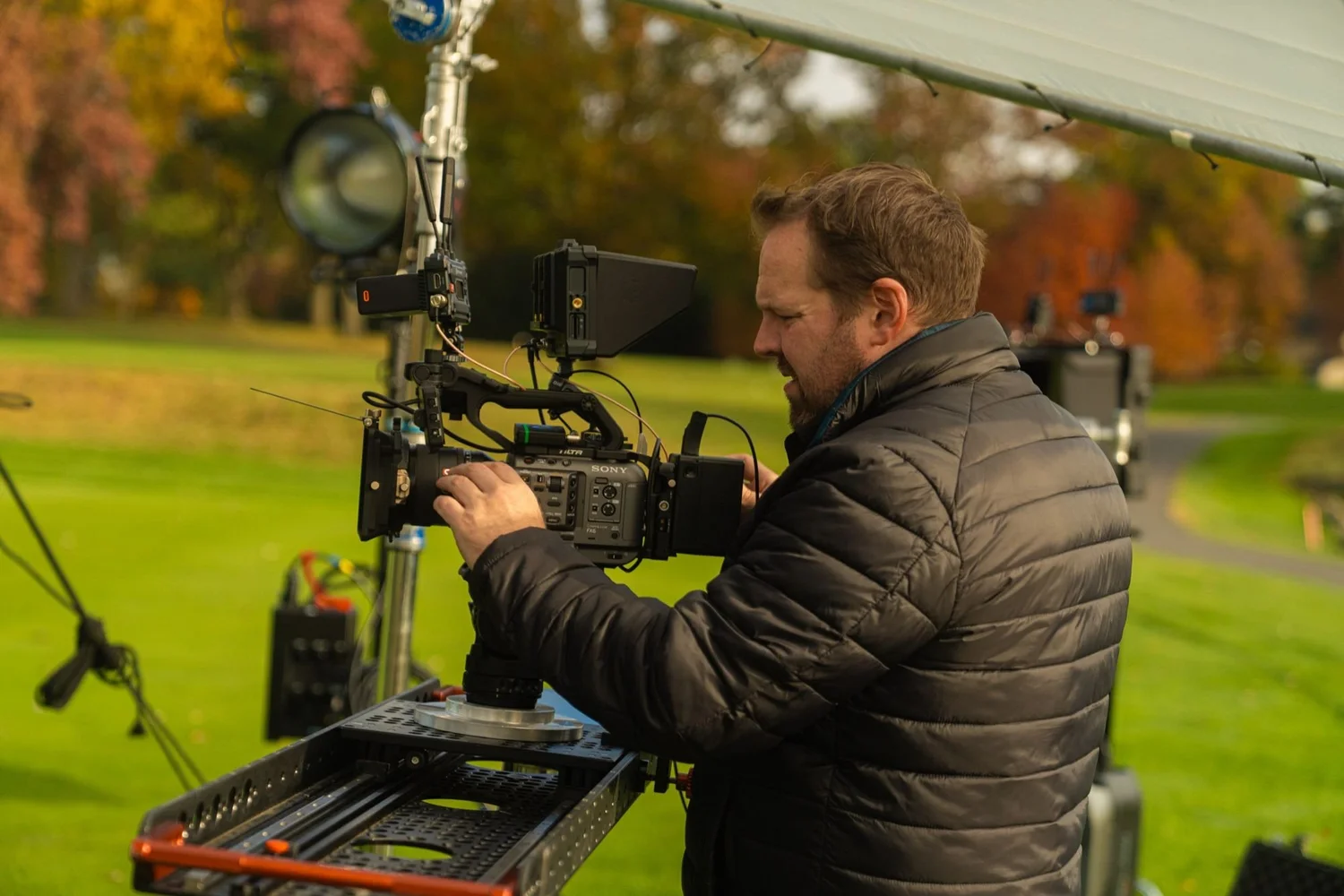
Filming at a private club comes with a worry that outranks the weather: the members. They joined for the club and the people in it, and part of what they pay for is being left alone. Here’s the protocol that keeps a shoot day discreet, the releases in order and the finished film something your board is proud to approve.
Filming at a private club starts with member trust
A film crew on property is a guest of every member, not just the GM. Get it right and the shoot becomes part of the club’s story. Get it wrong and the board hears about it at dinner.
The McMahon Group describes what members enjoy as “facilities, traditions, reputations, and cultures that are often shaped by decisions made long before they joined” (McMahon Group, 2026). Inviting cameras in is one of those decisions. Good private club video production starts with a plan, written down and agreed before the first light stand comes off the truck.
To see where it leads, watch A Legacy on the Green, our film for Upper Montclair Country Club, told by its members and staff.
Approvals and member notice before the first shoot day
Who signs off
Name one approver for the project: the GM, the communications director or whoever the board designates. Get board sign-off on scope first, in writing: what gets filmed, who is interviewed and where the film will be shown. On our side, every Loud Media project runs through me, from the first call to the final file.
The club owns three jobs nobody outside can do: choosing who’s on camera, reaching out to those members and staff, and locking the shoot dates. That outreach is where consent starts, long before anyone signs a form.
How members hear about it
Tell members before shoot days, in the places they read: the newsletter, a member email, the bulletin board by the pro shop. Then say it again on the day with discreet signs at the entrances to filming areas.
Release forms for anyone on camera
This isn’t legal advice; have the club’s counsel review whatever release you use.
New Jersey has no right-of-publicity statute, but its courts recognize a common-law right: appropriating someone’s likeness without consent, for your own benefit, can create a claim when it causes damage (Digital Media Law Project). For where to draw the line, Adobe sets a useful bar for its stock library: a release is needed when a person “can be recognized in any way, by their face, voice, tattoos, clothing, or even specific surroundings” (Adobe Stock).
At a club, that last part matters. A member filmed from behind at their usual table, in their usual jacket, can be recognizable to everyone who will watch the film.
Who should sign
- Every interviewee, before the interview starts.
- Any member featured in a scene: the foursome on the final green, the couple on the terrace.
- Staff on camera; ask counsel whether an employment policy already covers them.
- For junior members, a parent or guardian, as counsel advises.
What to ask counsel to cover
- Whether the club photo release you already use covers video, or film needs its own.
- Who the release is granted to: the club, the production company or both.
- Which uses it covers (the film, cutdowns, reels, website, social, screenings), whether it includes names and voices, and how long it runs.
- Where signed releases are kept. The club should hold the originals.
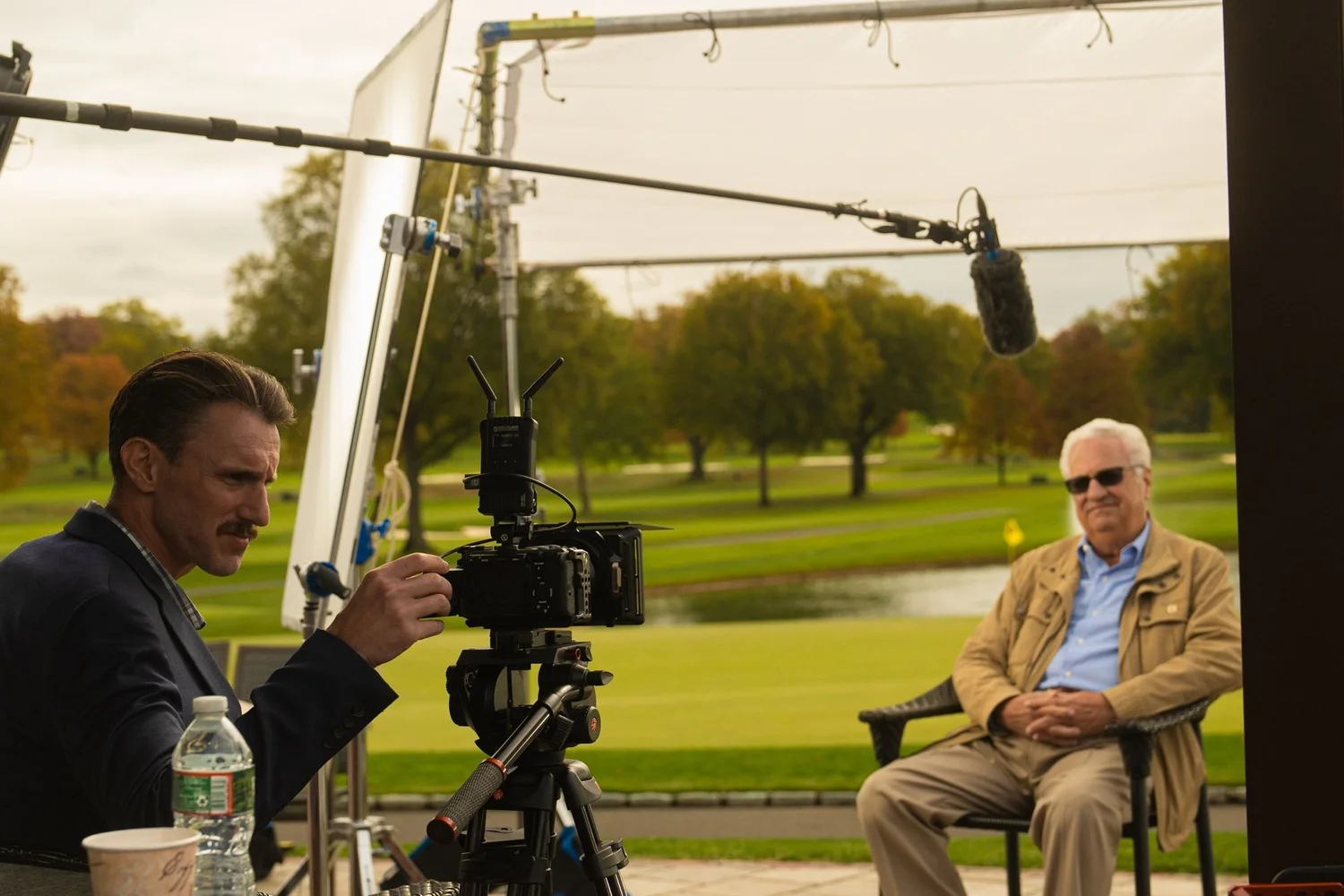
No-film zones, quiet hours and opt-outs at events
Where cameras don’t go
Agree the list with the GM and put it in writing. A sensible default:
- Locker rooms, restrooms and the spa: never.
- The dining room during service.
- The bar and the 19th hole, unless the scene is planned and everyone in frame has signed.
- Card rooms, the fitness center, and the pool when children are there, unless planned with parents.
- The parking lot, where license plates are their own kind of recognizable.
When to film
The tee sheet and the dining calendar are your shooting schedule. Film the course before the first tee time or on a day it’s closed, film public rooms before they open, and ask the superintendent when mowers and sprinklers will run, so they end up in the film instead of in the way.
Opt-outs at events
Event videography is where privacy gets tricky: guests arrive who never read the newsletter. Give people a quiet way to opt out: a colored sticker on the name badge or a wristband at check-in that tells the crew “not me.” Announce it once at the start, shoot crowds wide, and have the crew flag any shot that might include an opt-out so the editor can drop it. Nobody should have to explain themselves to a camera operator.
Drones over members: what the FAA rules say
A drone over a crowded lawn is the fastest way to make members nervous, and the rules back that instinct. This isn’t legal advice, and your pilot should walk you through the site plan. The basics under Part 107:
- The pilot needs an FAA remote pilot certificate (eCFR, 14 CFR Part 107). I’m FAA Part 107 certified.
- No flying over people unless they’re directly participating in the operation, under a covered structure or inside a stationary vehicle, or the flight meets one of four operations-over-people categories (FAA).
- Category 1 applies only to drones of 0.55 lb or less. Category 3 covers flights over a closed or restricted-access site where everyone is on notice (FAA). Your member notice can help there, but whether a flight qualifies is the pilot’s call.
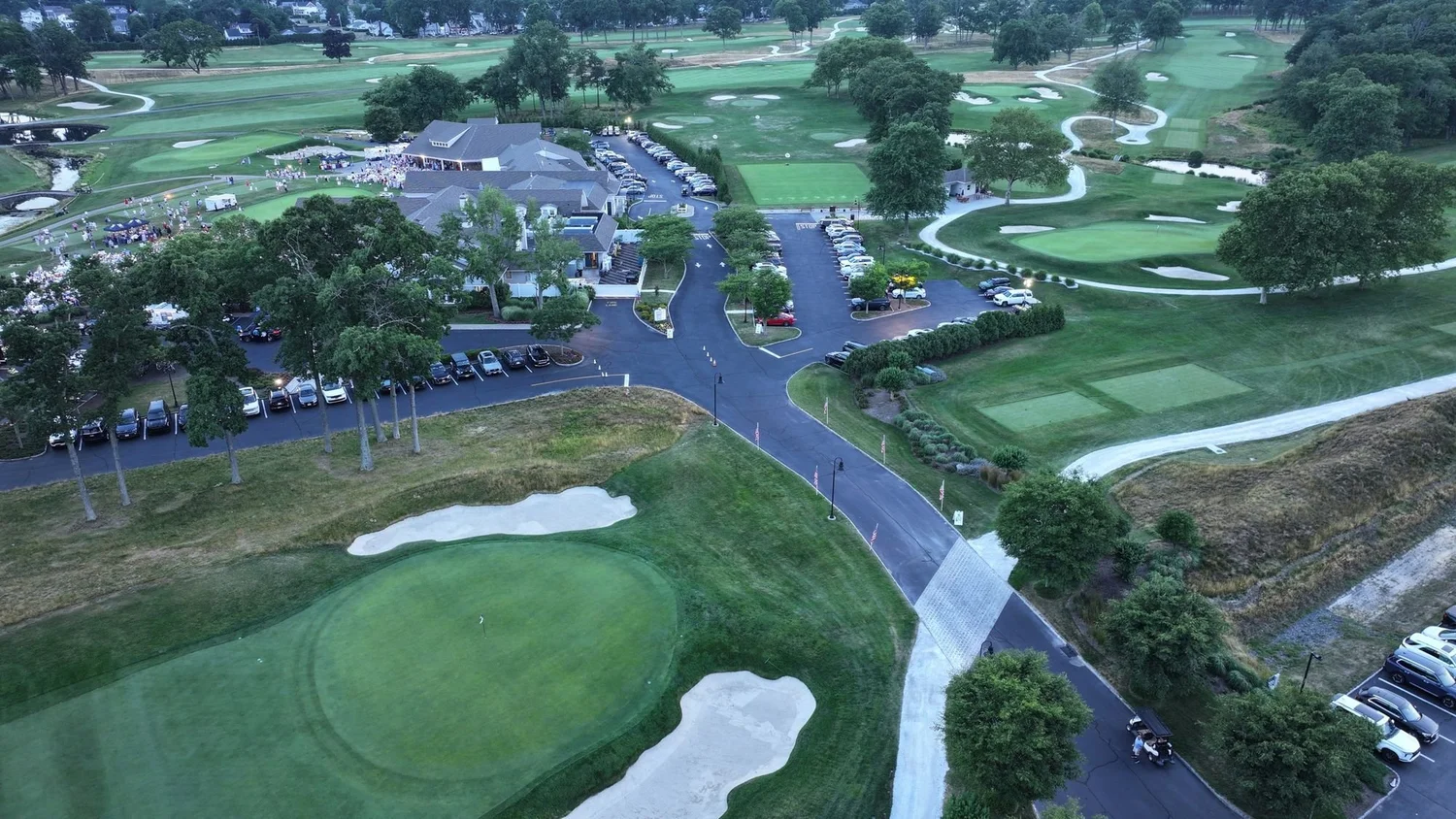
Other rules shape every club aerial: the drone stays within visual line of sight, and it generally stays at or below 400 feet. Flying in Class B, C or D airspace, or a Class E surface area, needs air traffic control authorization first (eCFR). Check your club on the FAA’s UAS Facility Maps, which show the maximum altitudes the FAA may authorize but don’t authorize anything themselves, and request LAANC authorization where it applies.
New Jersey adds its own teeth: operating a drone “in a manner that endangers the life or property of another” is a disorderly persons offense (NJ P.L.2017, c.315). The FAA doesn’t require drone insurance, but many customers only hire insured pilots (Flying, 2025). Be one of them. The most respectful plan is also the simplest: fly early, over the course and grounds, and not over the lawn once members arrive. Our guide to drone rules and airspace in New Jersey goes deeper.
Crew conduct on club grounds
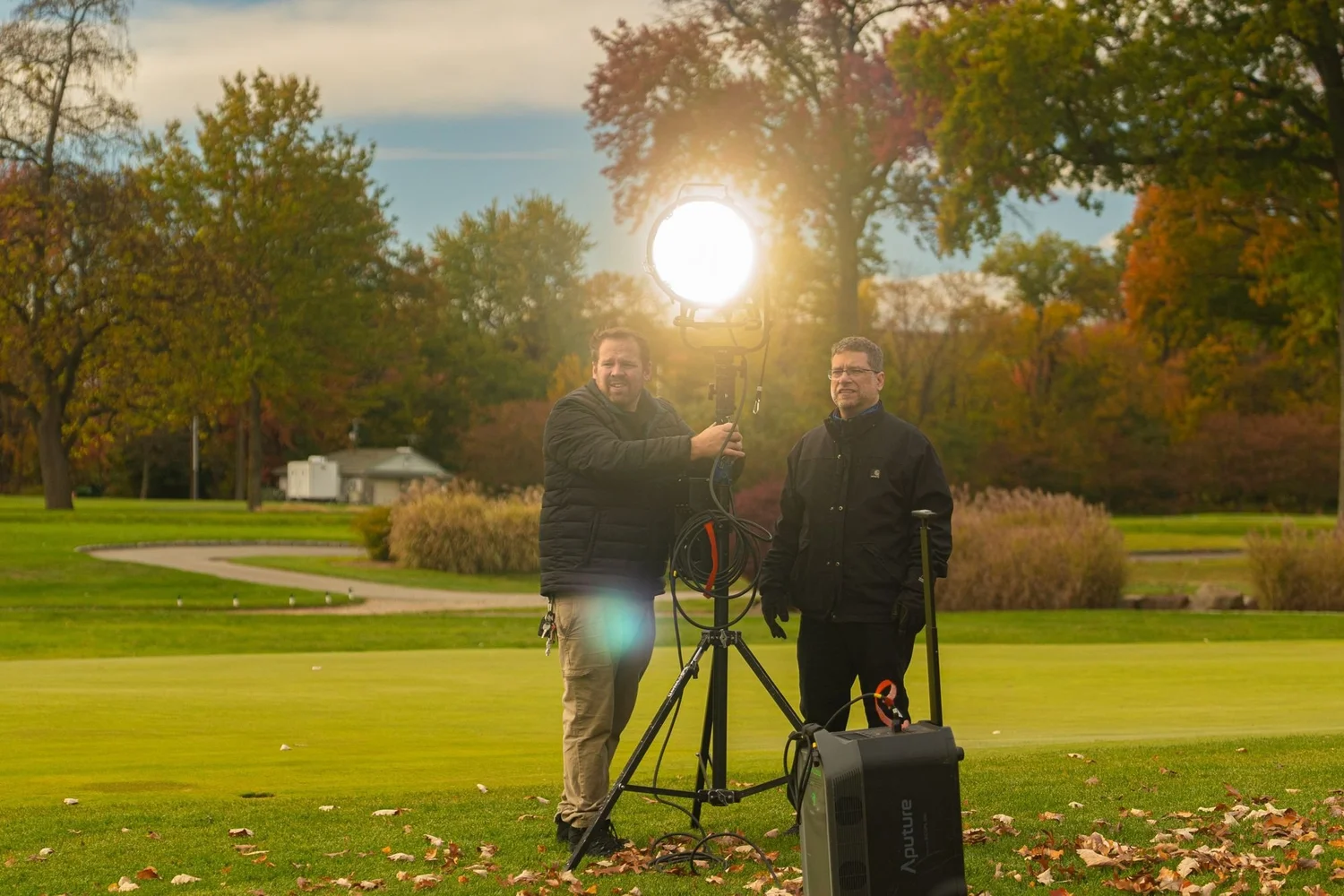
The best compliment a crew can get at a club is that members barely noticed it. Put expectations in writing, and hold any production company to them, us included.
- Dress to the club’s code, sent to the crew before day one.
- Keep it quiet: phones silent, directions at conversational volume, no calling across the terrace.
- Keep the footprint small: compact kit, one staging room, cases out of walkways and out of sight.
- Work around the tee sheet and dining service, not through them: hold the shot while groups play through and stay off the line of play.
Interviews need the same care. Members don’t need to be comfortable on camera; we coach every interview, and we film in natural settings around the club so it feels like a conversation, not a deposition.
Review, approval and what happens to the footage
Keep the review group small and the approver the same person who signed off on scope. The Prestige Film includes three rounds of revisions, which gives the club room to check names, dates and facts before the board sees a cut. It’s also a good moment to let each interviewee see their own segment.
Then decide where the film lives. The club decides how its film is shared, and we only share publicly with the club’s permission. Premiere it at a member dinner and post it publicly, or keep the full film for members and release a shorter cut. Both work.
Archive and footage security
The raw footage may be the most valuable thing a shoot produces: members telling the club’s history in their own voices. Before the shoot, ask your production company to answer in writing:
- Where raw footage and interviews are stored, and who can access them.
- How long footage is kept, and what happens to it after.
- Whether unused interview material can ever be used, and by whom.
- Whether the club gets the final masters and copies of the releases for its archive.
The next anniversary committee will thank you.
Shoot-day checklist for filming at a private club
- Approver on site: one named decision-maker, reachable all day.
- Member notice: sent before the shoot, with signs at filming areas on the day.
- Releases: printed or on a tablet, signed before each interview or featured scene.
- Opt-out markers: stickers or wristbands at event check-in, and a crew that knows what they mean.
- No-film list: rooms and times in writing, shared with every crew member.
- Tee sheet and service times: the day’s schedule built around both.
- Drone plan: airspace checked, authorization in hand if needed, launch spot agreed, no flights over members.
- Dress code and parking: sent to the crew, service entrance confirmed.
- Staff briefing: front desk, pro shop and dining room know the plan.
- Wrap walk: gear out, furniture back, rooms reset before members notice.
Filming at a private club: FAQ
Do we need member consent for video at a private club?
Anyone recognizable on camera should sign a release, and interviewees should sign before the interview. New Jersey courts recognize a common-law right of publicity even without a statute (Digital Media Law Project), and a person can be recognized by their voice, clothing or surroundings, not only their face (Adobe Stock). This isn’t legal advice; have the club’s counsel review your release.
Can a drone fly over members at a club event?
Only within FAA rules. Part 107 bars flying over people unless they’re directly participating, under a covered structure or inside a stationary vehicle, or the flight meets an operations-over-people category, such as Category 3 at a closed or restricted-access site where everyone is on notice (FAA). The safer plan is to fly before members arrive and frame crowds from the side.
How should a club notify members about a video shoot?
Use the channels members read, like the newsletter and a member email, before shoot days, then post discreet signs at filming areas on the day. Say what’s being filmed, where and when, and name a person to contact for anyone who would rather not appear.
Who controls how a club video is shared?
Settle it in writing before the shoot. With Loud Media, the club decides how its film is shared, and we only share it publicly with the club’s permission. Decide early whether the full film is for members only, public, or both.
Can a film crew work at the club during normal operations?
Yes, with a plan built around the tee sheet and dining service. Film the course early or on a closed day, keep cameras out of locker rooms and the dining room during service, and keep the crew small and quiet. Members should barely notice it.
Sources
- McMahon Group, Taking the long view: stewardship over experience, 2026
- Digital Media Law Project, New Jersey right of publicity law, accessed 2026
- Adobe Stock, Model release overview, accessed 2026
- eCFR, 14 CFR Part 107: Small unmanned aircraft systems, accessed 2026
- FAA, Operations over people, accessed 2026
- FAA, UAS Facility Maps, accessed 2026
- FAA, Low Altitude Authorization and Notification Capability (LAANC), accessed 2026
- New Jersey Legislature, P.L.2017, c.315 (drone operations), 2017
- Flying Magazine, Drone insurance, 2025